
Healthy comfort food is all about enjoying cozy, satisfying meals without feeling heavy or sluggish afterward. It brings together the warmth and nostalgia of classic comfort dishes with smarter ingredients, balanced nutrition, and simple cooking methods.
Whether you’re craving a creamy pasta, a hearty bowl, or a one-pot dinner after a long day, healthy comfort food proves you don’t have to choose between flavor and feeling good. With a few thoughtful swaps and easy techniques, comfort meals can be nourishing, energizing, and realistic for everyday life.

What Is Healthy Comfort Food?
Healthy comfort food is food that feels familiar, warm, and emotionally satisfying, but is prepared in a way that supports your body rather than weighing it down. Unlike traditional comfort food that often relies on heavy cream, refined carbs, and excess oil, healthy comfort meals focus on balance.
That balance usually comes from:
- using whole or minimally processed ingredients,
- prioritizing protein and fiber for fullness,
- and choosing cooking methods that enhance flavor without unnecessary heaviness.
The goal isn’t to make food “diet-like” or restrictive. It’s to keep the soul of comfort food intact while making it something you can enjoy regularly, not just as an occasional indulgence.
Why We Crave Comfort Food (And How to Make It Healthier)
Comfort food cravings are completely normal. We’re drawn to warm, familiar meals because they create a sense of calm and satisfaction, especially during stressful or busy periods. These foods often remind us of home, family, or moments of rest.
The problem isn’t comfort food itself. It’s how often traditional versions rely on:
- excess saturated fat,
- refined carbohydrates,
- and oversized portions.
Healthy comfort food works because it keeps the emotional comfort while improving the nutritional profile. Simple changes like adding vegetables, choosing higher-quality fats, or pairing carbs with protein can dramatically change how a meal makes you feel afterward, without sacrificing flavor or enjoyment.
Smart Swaps That Turn Comfort Food Healthy
One of the easiest ways to make comfort food healthier is through simple ingredient swaps that preserve flavor while improving nutrition. These small changes don’t make meals feel restrictive, they make them more balanced and enjoyable.
Some of the most effective healthy comfort food swaps include:
- replacing heavy cream with Greek yogurt, blended cottage cheese, or cashew cream,
- choosing whole-grain or legume-based pasta instead of refined white pasta,
- baking, roasting, or air-frying instead of deep-frying,
- adding vegetables to sauces, soups, and casseroles for volume and fiber.
These swaps work because they reduce excess calories and saturated fat while keeping the textures and flavors that make comfort food satisfying in the first place.
Healthy Comfort Food for Busy Weeknights
For many people, comfort food cravings hit hardest on busy weeknights, when energy is low and time is limited. The good news is that healthy comfort food doesn’t have to be complicated or time-consuming.
Simple meals like quick pastas, one-pan bowls, and easy skillet dinners can deliver warmth and satisfaction without relying on heavy ingredients or long cooking times. Focusing on a few quality components and streamlined cooking methods makes it possible to enjoy comfort food even on your busiest days by relying on quick weeknight dinners that are both satisfying and balanced.
One-Pot & Low-Effort Comfort Meals
Comfort food often feels most appealing when you want minimal cleanup and as little effort as possible. One-pot and low-effort meals are perfect for those moments, delivering rich flavors and cozy textures without a complicated cooking process.
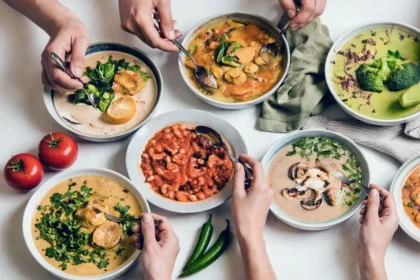
Soups, stews, skillet meals, and baked dishes allow ingredients to cook together, building depth and comfort naturally. By focusing on simple techniques and fewer steps, these meals make it easier to enjoy comforting food regularly, even when time, energy, or motivation is low.
Healthy Comfort Food for Different Lifestyles
Healthy comfort food isn’t one-size-fits-all. What feels comforting and nourishing can vary depending on your lifestyle, preferences, and dietary needs. The key is adapting familiar comfort dishes in ways that align with how you like to eat.
Everyday balanced comfort meals
These meals focus on a mix of protein, carbohydrates, and healthy fats to create satisfying, well-rounded plates that work for everyday life without strict rules or restrictions.
Keto-friendly comfort food
For low-carb lifestyles, comfort food can still be rich and satisfying by emphasizing protein, healthy fats, and lower-carb vegetables. Creamy textures and hearty flavors are easy to achieve without relying on refined carbs, especially when using smart approaches found in keto recipes.
Plant-based & vegan comfort meals
Plant-based comfort food relies on legumes, vegetables, grains, and plant-based fats to create meals that feel hearty and warming while staying light and nourishing, with plenty of inspiration coming from simple, flavorful vegan recipes.
How to Build a Comforting Yet Nutritious Plate
A healthy comfort food plate works best when it balances satisfaction and nourishment. Instead of focusing on strict rules, aim for a simple structure that keeps meals cozy, filling, and energizing.
A practical approach is to include:
- a solid protein source for fullness and recovery,
- fiber-rich carbohydrates or vegetables for comfort and sustained energy,
- healthy fats to enhance flavor and create a satisfying mouthfeel.
This balance helps comfort meals feel indulgent enough to satisfy cravings while still supporting everyday health, energy, and digestion.
FAQs About Healthy Comfort Food
What makes comfort food “healthy”?
Healthy comfort food keeps the familiar flavors and textures people love while using more balanced ingredients, better cooking methods, and reasonable portions to support everyday nutrition.
Can comfort food still be filling without being heavy?
Yes. By combining protein, fiber, and healthy fats, comfort food can feel satisfying and nourishing without leaving you overly full or sluggish afterward.
Is healthy comfort food suitable for busy weeknights?
Absolutely. Many healthy comfort meals rely on simple ingredients, quick cooking methods, and one-pan or one-pot techniques that work well on busy evenings.
Does healthy comfort food mean giving up classic flavors?
Not at all. Small ingredient swaps and smarter cooking techniques allow you to keep the comforting taste of classic dishes while making them lighter and more balanced.
You may also like

Want more easy everyday & holiday recipes?
Get our free 10-Holiday-Recipes cookbook plus new simple recipes every week.