
Updated on January 1, 2026
Healthy comfort food recipes bring together the best of both worlds, cozy, satisfying meals that feel indulgent while still supporting a balanced lifestyle. Comfort food doesn’t have to be heavy or overly rich to be comforting. With the right ingredients and simple cooking methods, you can enjoy warm, familiar flavors that nourish your body and make you feel good.
In this guide, you’ll discover how to turn classic comfort dishes into healthier everyday meals without sacrificing taste or texture. We’ll explore smart ingredient swaps, lighter cooking techniques, and beginner-friendly recipes that are perfect for weeknights, cold days, or whenever you’re craving something cozy.
Whether you’re looking for creamy pastas, one-pot meals, or comforting chicken and plant-based dishes, these healthy comfort food recipes are designed to be simple, satisfying, and easy to fit into real life.
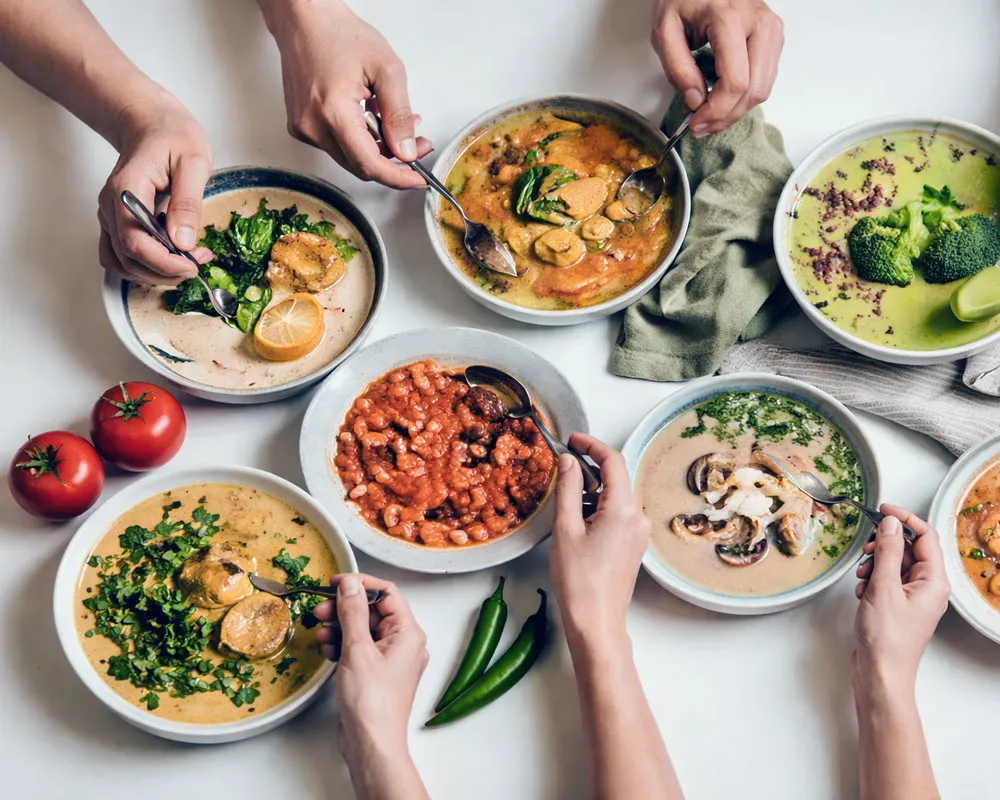
What Is Healthy Comfort Food?
Healthy comfort food combines familiar, cozy flavors with lighter ingredients and balanced cooking methods. It’s food that feels warm and satisfying, but doesn’t leave you feeling overly full or sluggish afterward. Instead of relying on heavy cream, excess butter, or deep frying, healthy comfort food focuses on simple techniques that enhance flavor while supporting everyday well-being. According to trusted nutrition resources like Harvard’s Healthy Eating Plate, balanced meals that include vegetables, lean proteins, and whole grains support both satisfaction and long-term well-being.
At its core, healthy comfort food is about balance. Meals still include comforting textures, creamy sauces, tender proteins, warm grains, but they’re paired with vegetables, lean proteins, and smarter portions. This approach keeps dishes nourishing without sacrificing the emotional comfort people look for in classic favorites.
For many home cooks, healthy comfort food is especially appealing during busy weeknights, colder seasons, or stressful days. It delivers the sense of familiarity and ease that comfort food is known for, while fitting naturally into a more mindful, balanced way of eating.
Ingredients That Make Comfort Food Healthier
Healthy comfort food starts with choosing ingredients that deliver flavor and satisfaction without unnecessary heaviness. The goal isn’t to remove what makes comfort food enjoyable, but to balance it with smarter, more nourishing choices.
Whole Grains and Simple Carbohydrates
Ingredients like brown rice, whole-grain pasta, quinoa, or potatoes add warmth and structure to comfort meals. They provide lasting energy and help meals feel filling, while still keeping textures familiar and comforting.
Lean Proteins
Chicken, fish, eggs, beans, and legumes play a key role in healthier comfort food recipes. They add substance and satiety without relying on excessive fats. Lean proteins help turn cozy dishes into balanced meals that work for everyday eating.
Vegetables for Flavor and Balance
Vegetables bring natural sweetness, texture, and depth to comfort food. Mushrooms, spinach, tomatoes, onions, and zucchini blend seamlessly into sauces, stews, and pasta dishes, adding nutrients without changing the comforting feel of the meal.
Lighter Fats and Sauces
Instead of heavy cream or large amounts of butter, healthy comfort food uses olive oil, yogurt, broth, or small amounts of cheese to create rich flavors. These ingredients keep dishes creamy and satisfying while remaining easier to digest. Using quality fats also makes a difference. A good extra virgin olive oil adds richness and flavor to comfort meals while supporting a more balanced approach to everyday cooking.
Healthy Comfort Food Recipes to Try First
When building a healthier comfort food routine, it helps to start with recipes that feel familiar but use balanced ingredients and simple cooking methods. These meals deliver warmth and flavor without being overly heavy, making them perfect for everyday cooking.
If you’re looking for cozy meals that still fit into a balanced lifestyle, start with these healthy comfort food recipes:
- Creamy Garlic Mushroom Pasta – A lighter take on a classic comfort dish, this creamy pasta uses simple ingredients and delivers rich flavor without feeling overwhelming. It’s perfect for cozy dinners that still feel fresh.
- Quick Lemon Garlic Chicken Pasta – Bright, comforting, and satisfying, this chicken pasta balances creamy textures with fresh citrus and herbs, making it a great option for weeknight comfort meals.
- Easy Chicken Stir-Fry with Vegetables – This one-pot style dish combines tender chicken and vegetables in a warm, savory sauce. It’s comforting, simple to prepare, and ideal when you want minimal cleanup.
- One-Pot Creamy Tomato Basil Pasta (Vegan) – A plant-based comfort classic that feels rich and cozy while staying light and nourishing. One-pot meals like this are especially comforting on busy or colder days.
- Smoky Chickpea & Spinach Stew – Hearty, warming, and packed with flavor, this stew is a great example of how plant-based comfort food can be both satisfying and balanced.
These recipes are a great starting point for anyone looking to enjoy comfort food more often while still keeping meals wholesome and approachable.
When to Choose Comfort Meals (Weeknights, Cold Days, Stress)
Healthy comfort food isn’t just about ingredients, it’s also about timing. Certain moments call for meals that feel warm, familiar, and reassuring, especially when energy or motivation is low.
Busy Weeknights
After a long day, simple comfort meals help reduce decision fatigue. Dishes that come together quickly, use one pot, or rely on familiar flavors make it easier to cook at home instead of reaching for takeout. Healthy comfort food fits naturally into weeknight routines because it prioritizes ease without sacrificing satisfaction.
Cold or Rainy Days
Comfort meals are especially appealing during colder seasons. Warm pastas, stews, and saucy dishes help create a sense of coziness and comfort. Choosing lighter ingredients and balanced portions keeps these meals nourishing while still delivering that cozy, comforting feeling.
Stressful or Low-Energy Days
On stressful days, comfort food provides emotional relief as well as nourishment. Healthy comfort meals offer familiarity and warmth without leaving you feeling heavy or sluggish afterward. They’re ideal for maintaining balanced eating habits even when motivation is low.
Understanding when to choose comfort meals helps make them a supportive part of everyday life rather than an occasional indulgence.
Common Mistakes With “Healthy” Comfort Food
While healthy comfort food is meant to feel nourishing and satisfying, a few common mistakes can turn it into something less balanced than intended. Being aware of these pitfalls helps keep comfort meals both cozy and supportive of everyday eating.
Relying on Heavy Sauces
One of the most common mistakes is using too much cream, cheese, or butter in the name of comfort. Even healthier recipes can quickly become heavy if sauces aren’t balanced. Using broth, yogurt, or smaller amounts of rich ingredients keeps dishes comforting without overpowering them.
Ignoring Portion Sizes
Comfort food often feels indulgent, which can lead to oversized portions. Healthy comfort meals work best when portions are mindful and paired with vegetables or lean proteins. This keeps meals satisfying without leaving you overly full afterward.
Overloading on Refined Carbs
White pasta, bread, and rice can still be part of comfort food, but relying on them too heavily can throw off balance. Mixing in whole grains, vegetables, or protein helps maintain the comforting texture while improving overall nutrition.
Overcomplicating Recipes
Comfort food should feel easy and familiar. Adding too many substitutions or complex steps can remove the sense of comfort entirely. Simple cooking methods and straightforward ingredients are often what make comfort meals truly enjoyable.
Avoiding these mistakes allows healthy comfort food to remain both cozy and practical for everyday meals.
FAQs About Healthy Comfort Food
Is comfort food always unhealthy?
No, comfort food doesn’t have to be unhealthy. By using balanced ingredients, lighter cooking methods, and mindful portions, comfort meals can be both nourishing and satisfying without feeling heavy.
What makes a comfort food recipe “healthy”?
Healthy comfort food focuses on balance. It uses whole ingredients, lean proteins, vegetables, and lighter sauces while keeping the familiar flavors and textures that make comfort food enjoyable.
Can pasta dishes be considered healthy comfort food?
Yes, pasta can absolutely be part of healthy comfort food. Choosing balanced portions, adding vegetables or protein, and using lighter sauces helps pasta dishes feel comforting without being overly rich.
How often should I eat comfort food meals?
Comfort food can fit into a balanced lifestyle when eaten regularly but mindfully. Healthy comfort meals are great for weeknights, colder days, or stressful moments, as long as they’re part of an overall balanced routine.
More Healthy Comfort Food Guides
If you’d like to explore different approaches to comfort food, these guides focus on specific diets and everyday meal ideas:
- Beginner’s Guide to Healthy Comfort Food (Keto, Vegan & Everyday Options)
- Quick Weeknight Dinners: Easy 20–30 Minute Ideas
You may also like


Want more easy everyday & holiday recipes?
Get our free 10-Holiday-Recipes cookbook plus new simple recipes every week.