
Updated on December 31, 2025
One-pot meals are a lifesaver on busy days. Instead of juggling multiple pans and a sink full of dishes, you cook everything in one pot, keep flavors concentrated, and spend less time cooking and cleaning. For beginners and busy home cooks, one-pot dinners are one of the easiest ways to put a comforting meal on the table without feeling overwhelmed. If you’re looking for a full collection of quick one-pot dinner recipes, start with our One-Pot Meals hub, where we share cozy 20–30 minute dinners for busy nights.
In this beginner-friendly guide, you’ll learn how one-pot meals work, which tools and pantry staples help the most, and simple tips so your food turns out cozy and flavorful, not mushy or bland. You can start with what you already have in your kitchen and then explore more ideas on our Recipes page.
Why one-pot meals are perfect for busy home cooks
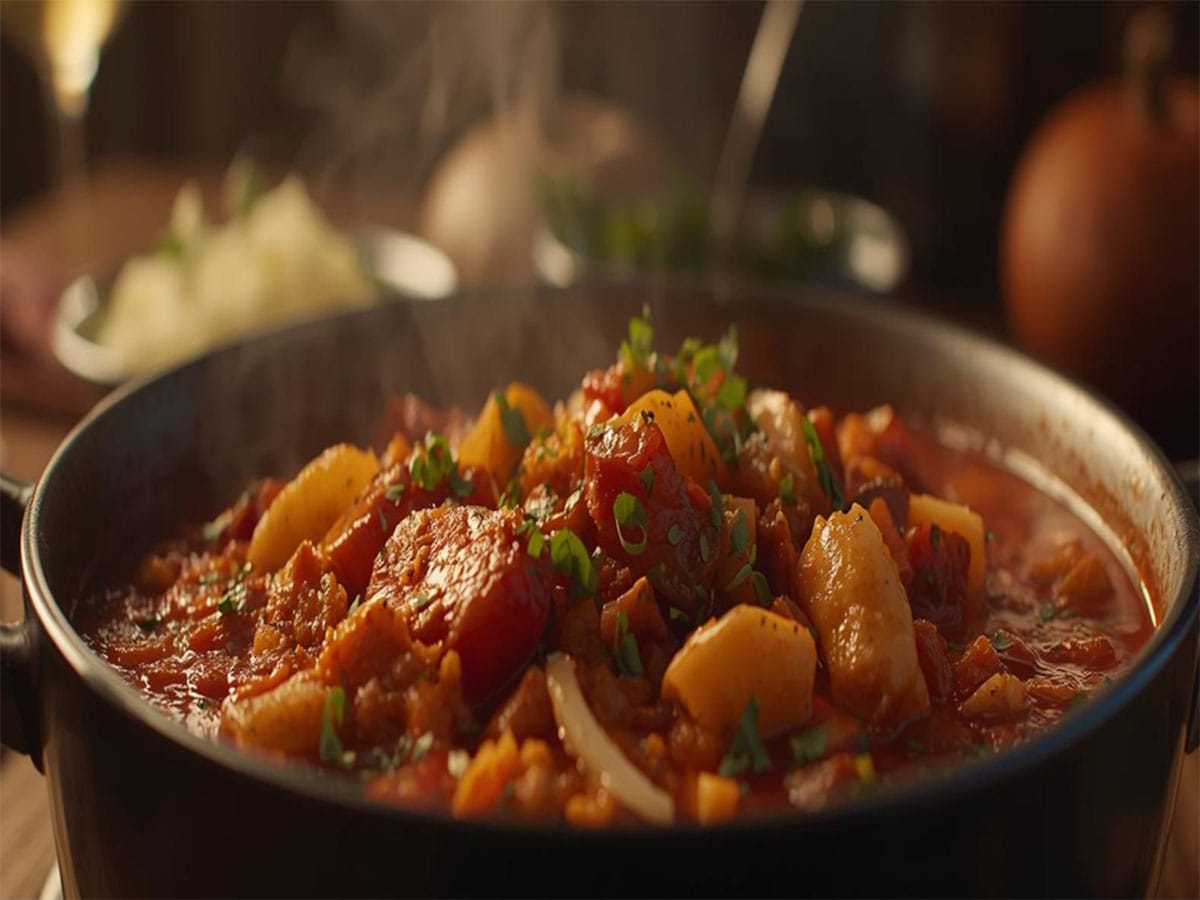
One-pot meals are ideal when you want a warm, homemade dinner without a complicated prep routine. You sauté, simmer, and finish everything in the same pot, which means fewer dishes and less stress at the end of the day.
Because you cook everything together, flavors have more time to blend. Pasta absorbs broth and sauce, vegetables soften gently, and proteins stay juicy when cooked in a flavorful liquid. For beginners, it’s also easier to learn timing and heat control with one-pot recipes than with multiple pans on the stove.
One-pot basics: equipment and pantry essentials
Choose the right pot or pan
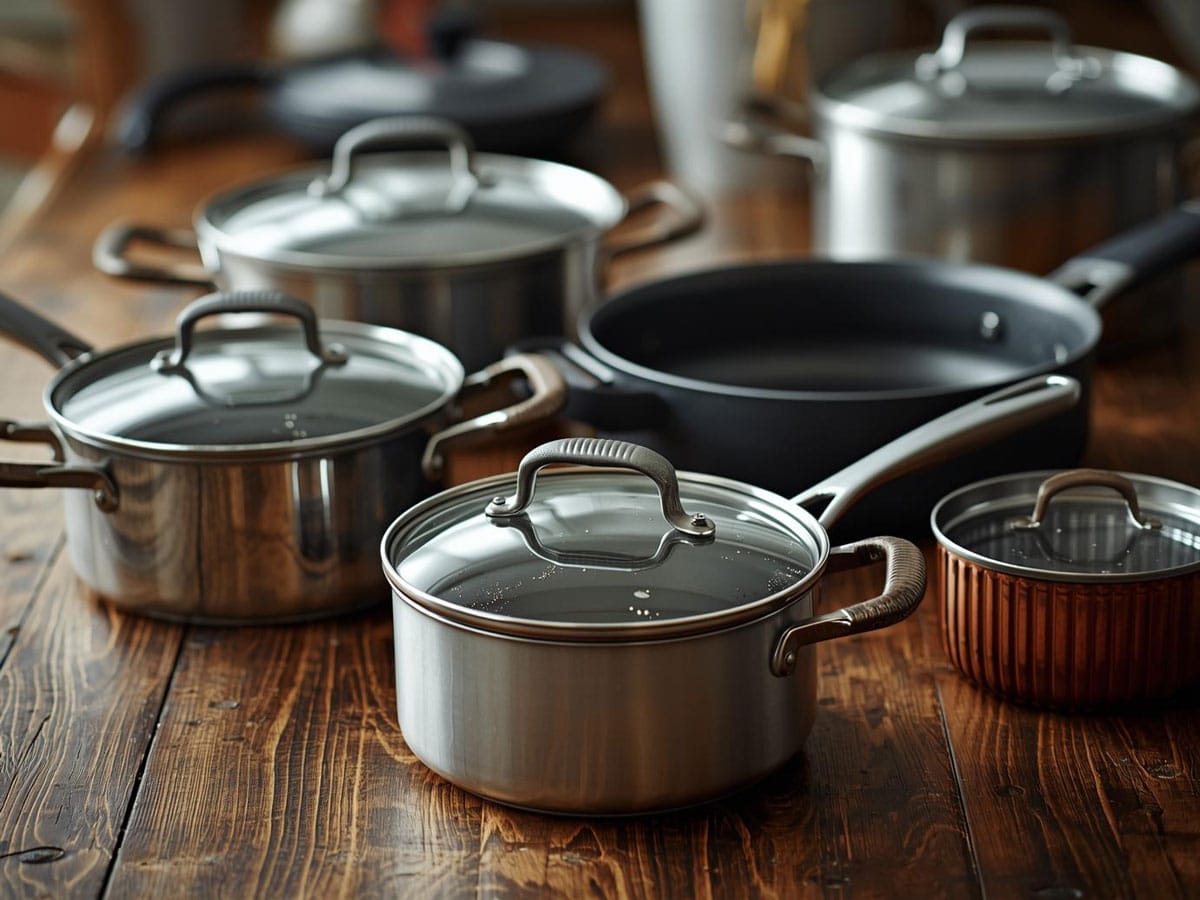
You don’t need fancy cookware to start making one-pot meals. A single, sturdy pot or pan is enough for most easy one-pot dinners. Look for:
– A medium or large pot with a lid (4–6 liters)
– Or a deep skillet or sauté pan with high sides
– A heavy bottom so food doesn’t burn easily
If you cook for 2–4 people, a pot in the 4–5 liter range is usually perfect for soups, stews, and one-pot pasta dishes.
Pantry staples that make one-pot cooking easier
Simple pantry ingredients can turn into many different one-pot meals. Try to keep a few of these on hand:
– Dry pasta, rice, or small grains (like orzo or couscous)
– Canned tomatoes, tomato sauce, or tomato paste
– Broth or stock (vegetable, chicken, or beef)
– Canned beans (chickpeas, white beans, black beans)
– Onions and garlic
– Cooking oil or butter
– Basic spices: salt, pepper, paprika, garlic powder, dried herbs
With just a protein, a vegetable or two, and these staples, you can build a filling, one-pot dinner in under an hour.
How to build a balanced one-pot meal
Start with a base
Most one-pot meals start with a base: pasta, rice, potatoes, or hearty vegetables. Your base gives the dish body and makes it satisfying. For lighter meals, you can use more vegetables and a smaller amount of starch.
Add protein and vegetables
Next, add a protein (like chicken, beans, lentils, sausage, or tofu) and a couple of vegetables. Think about textures: combine something that softens (like zucchini or spinach) with something that holds a bit of bite (like carrots or broccoli florets) so the dish doesn’t turn mushy.
Layer flavor with broth, herbs, and a little acid
Once your base, protein, and vegetables are in the pot, it’s time to build flavor. Use broth instead of plain water when you can, and don’t be shy with garlic, onions, and herbs.
At the end of cooking, add a splash of something acidic, lemon juice, vinegar, or even a spoonful of mustard. This small step brightens the flavors and makes the dish taste fresh, even if it cooked for a while.
Simple one-pot cooking tips (so your meals don’t turn mushy)
One-pot meals are forgiving, but a few small habits make a big difference:
– Sauté aromatics first. Start by cooking onions, garlic, and spices in a bit of oil. This builds a flavorful base before you add liquid.
– Add ingredients in stages. Hard vegetables and uncooked proteins usually go in earlier; delicate greens and dairy (like cream or cheese) should go in near the end.
– Watch the liquid level. If the pot looks too dry before the pasta or rice is fully cooked, add a little more broth or water. If it’s too soupy at the end, simmer uncovered for a few minutes.
– Don’t over-stir. Stir enough to prevent sticking, but constant stirring can break up pasta and vegetables.
If something goes slightly wrong (a bit too thick, a bit too thin), you can almost always fix it with a splash of liquid, a pinch of salt, or a few extra minutes on low heat.
Easy one-pot recipe ideas to try first
Ready to put these tips into practice? Start with simple, cozy recipes that don’t require advanced techniques. Here are a few easy one-pot style ideas that are perfect for beginners:
– A creamy one-pot tomato basil pasta with pantry ingredients and fresh basil on top.
– A one-pot lemony pasta or orzo with broccoli for a bright, cozy dinner.
– A smoky chickpea and spinach stew that simmers in one pot and tastes even better the next day.
– A creamy chicken and zucchini “zoodles” dish that cooks quickly and feels special enough for a weekend.
As you get comfortable, you can start experimenting, swap vegetables, try different broths, or use the same basic method with new spices. One-pot meals are flexible, which makes them perfect for using what you already have in your kitchen.
Get more easy one-pot and everyday recipes
If you enjoy simple, low-stress cooking, one-pot meals are just the beginning. Explore our quick dinners, meal-prep ideas, and holiday recipes for even more inspiration. And if you’d like fresh ideas delivered straight to your inbox, don’t forget to sign up for our free 10-Holiday-Recipes cookbook and weekly recipe newsletter.
FAQ:
What exactly is a one-pot meal for beginners?
A one-pot meal is any recipe where you cook the main components of the dish in a single pot or pan, from sautéing to simmering, so it’s perfect for beginners. Instead of boiling pasta in one pot and making sauce in another, or cooking rice separately from your vegetables and protein, everything comes together in the same vessel. This saves time on prep and cleanup while still giving you a complete, balanced meal.
Are one-pot meals healthy?
One-pot meals can be very healthy if you balance them well. Aim to include plenty of vegetables, a source of protein, and a reasonable amount of starch in the same pot. Because you build flavor with herbs, spices, and broth, you don’t need heavy sauces or lots of butter to make the dish taste satisfying. You can also use whole-grain pasta or brown rice if you prefer more fiber.
Can I make easy one-pot dinners ahead of time?
Yes. Many one-pot dinners actually taste better the next day because the flavors have more time to develop. Let the dish cool completely, then store it in an airtight container in the fridge for up to 3–4 days, depending on the ingredients. When reheating, you can add a splash of water or broth if the sauce looks too thick.
How do I stop pasta or rice from sticking in a one-pot recipe?
A4: Make sure there is enough liquid in the pot and give everything a good stir after you first add the pasta or rice. Then stir occasionally while it cooks, especially in the first few minutes. Keeping the heat at a gentle simmer, not a hard boil, also helps prevent sticking and scorching on the bottom of the pot.
Love simple everyday & holiday recipes? Get our free 10-Holiday-Recipes cookbook plus new easy recipes every week.
Get the free cookbook →You may also like

Want more easy everyday & holiday recipes?
Get our free 10-Holiday-Recipes cookbook plus new simple recipes every week.