
Updated on April 20, 2026
Cooking pasta al dente is one of the most important basic skills in the kitchen. The term means “to the tooth,” describing pasta that is tender but still slightly firm in the center.
If your pasta turns out mushy or too hard, you’re missing the perfect balance. In this step-by-step guide, you’ll learn exactly how to cook pasta al dente, avoid common mistakes, and get restaurant-quality results every time.
👉 Looking for easy meals to try this technique?
Check out our quick weeknight dinner ideas:
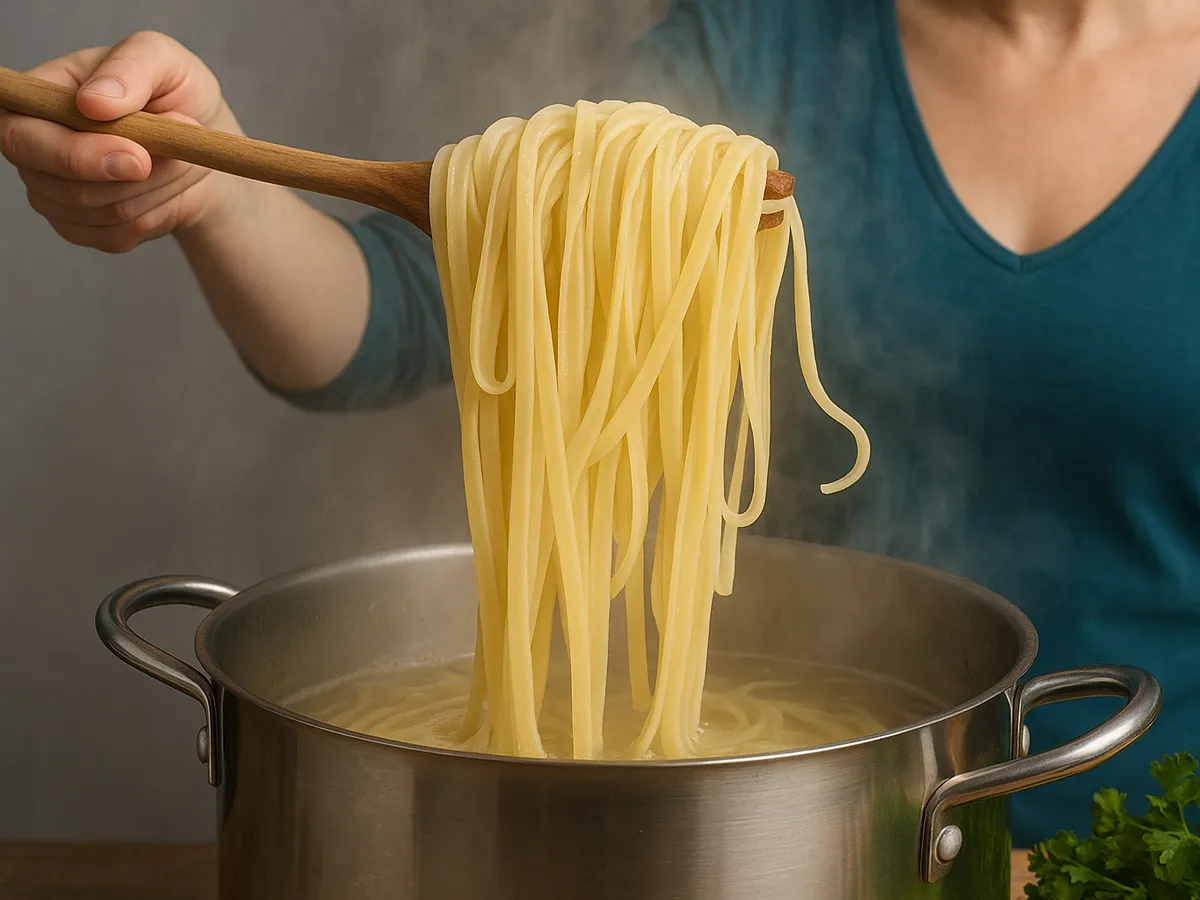
What Does Al Dente Mean?
The term al dente comes from Italian and means “to the tooth.” It describes pasta that is cooked until it is tender but still slightly firm when you bite into it.
Al dente pasta should:
- Be soft on the outside
- Have a slight bite in the center
- Never be mushy or crunchy
It’s the ideal texture used in Italian cooking because it holds sauce better and feels more satisfying to eat. Properly cooked pasta also has a lower glycemic impact compared to overcooked pasta, which is why many nutrition experts, including research from Harvard T.H. Chan School of Public Health, recommend avoiding overcooking carbohydrates.
How to Tell If Pasta Is Al Dente (Visual Guide)
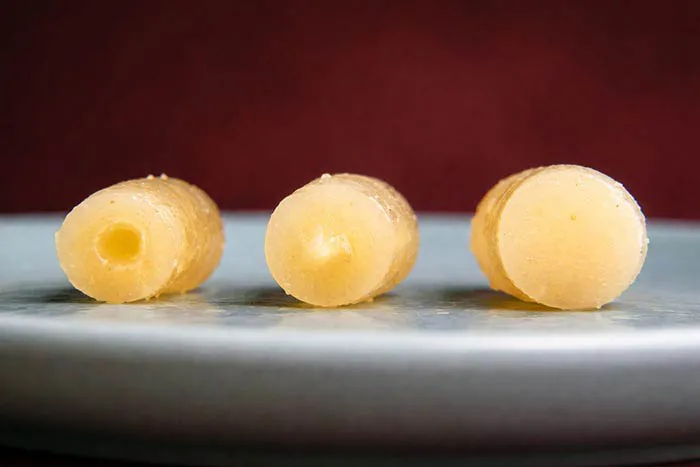
One of the most accurate ways to check doneness is by looking at the cross-section of pasta:
- ❌ Undercooked pasta → large white core
- ✅ Al dente pasta → small white dot in the center
- ❌ Overcooked pasta → no core, fully soft and swollen
This visual test is especially helpful for beginners who are still learning the perfect timing.
How to Cook Pasta Al Dente (Step-by-Step)
🔥 Step 1: Bring Water to a Rolling Boil
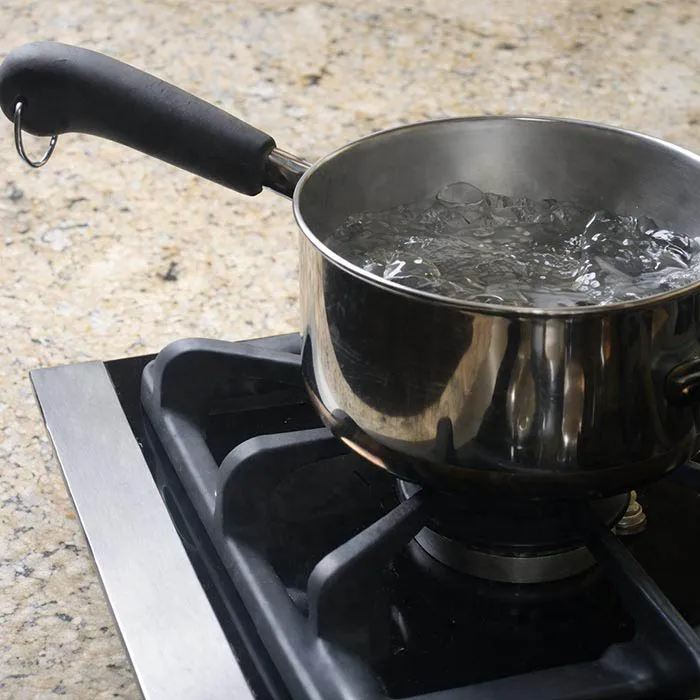
Use a large pot with plenty of water.
Wait until the water reaches a full rolling boil before adding pasta.
🧂 Step 2: Salt the Water Generously
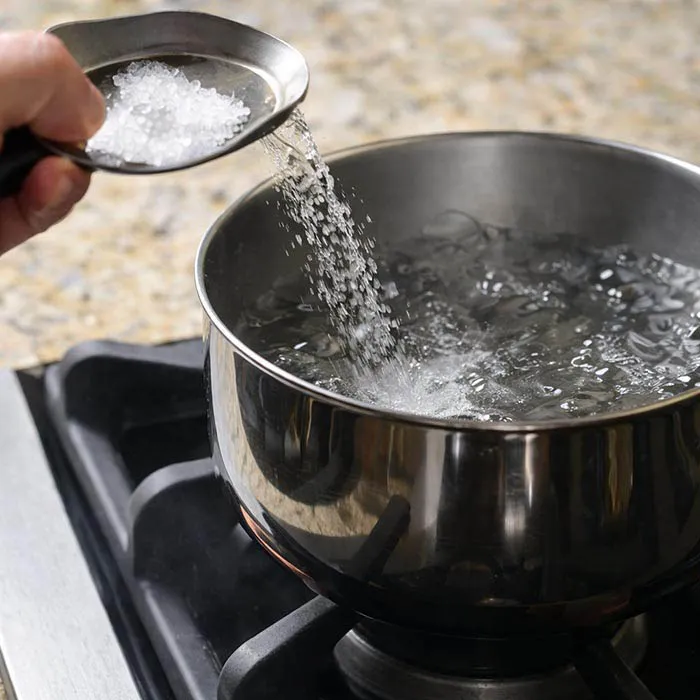
Add salt once the water is boiling.
👉 Rule:
Water should taste like the sea
This is the only chance to season pasta from the inside.
🍝 Step 3: Add Pasta and Stir Immediately
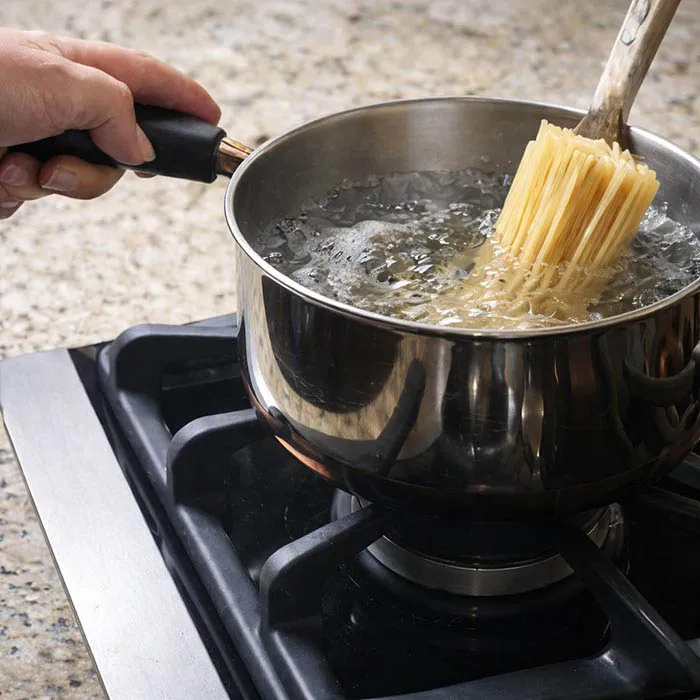
Add pasta and stir right away to prevent sticking.
⏱️ Step 4: Start Checking Before the Package Time
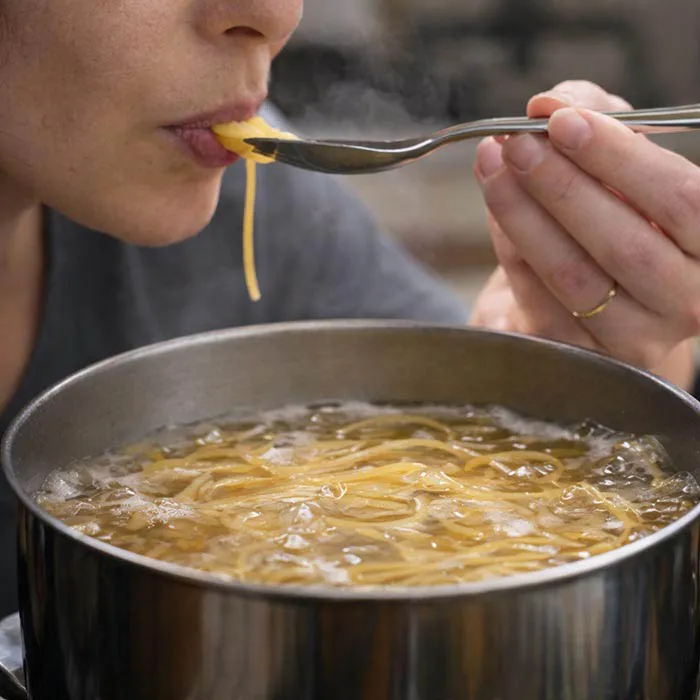
Start checking pasta 1–2 minutes earlier than suggested. According to Barilla cooking guidelines, tasting is the most reliable way to achieve perfect al dente texture.
👅 Step 5: Taste to Check for Al Dente
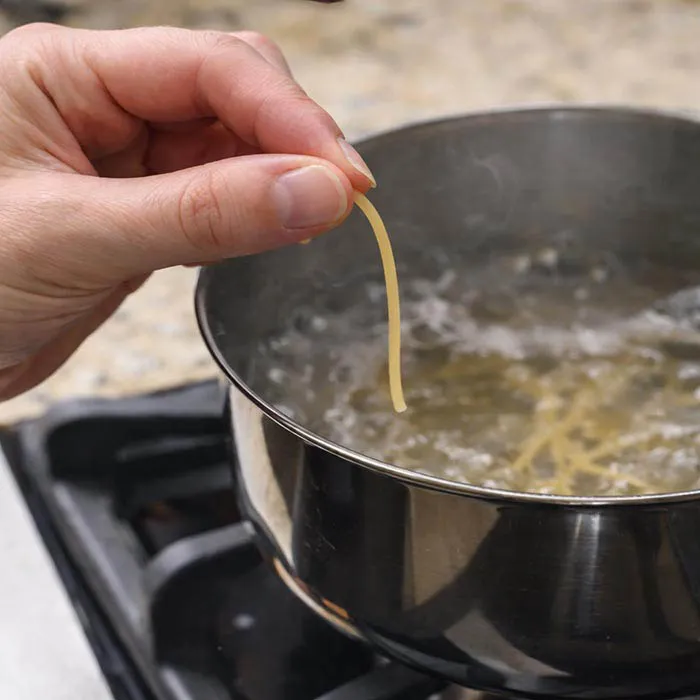
Take a piece and bite it.
Perfect al dente should:
- Have slight resistance
- Not stick to your teeth
- Not feel hard in the center
🍅 Step 6: Finish Pasta in the Sauce
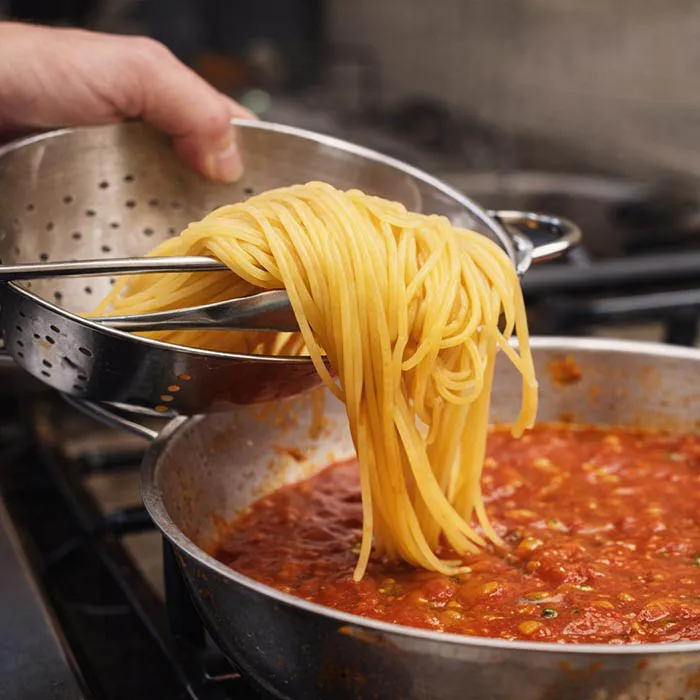
Transfer pasta directly into the sauce and cook for 1–2 minutes more.
👉 This is a PRO technique that:
- Improves flavor
- Creates better texture
- Helps sauce stick to pasta
⚠️ Common Mistakes to Avoid
❌ Adding pasta before water boils
❌ Not salting the water
❌ Overcooking based on package time only
❌ Rinsing pasta after cooking
❌ Not finishing in sauce
💡 Pro Tips for Perfect Pasta
- Use a large pot (more space = better cooking)
- Stir during the first minute
- Save ½ cup pasta water for sauce
- Always taste – never trust timing blindly
Related Recipes to Try Next
👉 Quick Lemon Garlic Chicken Pasta
👉 Creamy Garlic Mushroom Pasta
👉 One-Pot Creamy Tomato Basil Pasta (Vegan)
FAQ: Cooking Pasta Al Dente
How do I know when pasta is al dente?
Taste it early. It should be tender with a slight firm bite in the center.
Does al dente pasta continue cooking after I drain it?
Yes. Residual heat continues cooking, especially in sauce.
Should you rinse pasta after cooking?
No. Rinsing removes starch that helps sauce stick.
Can I make gluten-free pasta al dente too?
Yes, but gluten-free pasta tends to go from al dente to overcooked more quickly. Follow the package time, start tasting even earlier than usual, and be gentle when stirring so the pasta doesn’t break apart. Once it’s just tender with a slight bite, drain it and serve soon after for the best texture.
Can you fix overcooked pasta?
Slightly, by finishing in sauce, but heavily overcooked pasta cannot be fixed.
Why is my pasta mushy?
It was cooked too long or not tested before draining.
For a rich, restaurant-style classic, don’t miss our Classic Italian Spaghetti Carbonara.
Mastering how to cook pasta al dente will instantly improve every pasta dish you make at home.
Love simple everyday & holiday recipes? Get our free 10-Holiday-Recipes cookbook plus new easy recipes every week.
Get the free cookbook →You may also like


Want more easy everyday & holiday recipes?
Get our free 10-Holiday-Recipes cookbook plus new simple recipes every week.